
ENGINEERING AND DEVELOPMENT
Engineering that also builds.
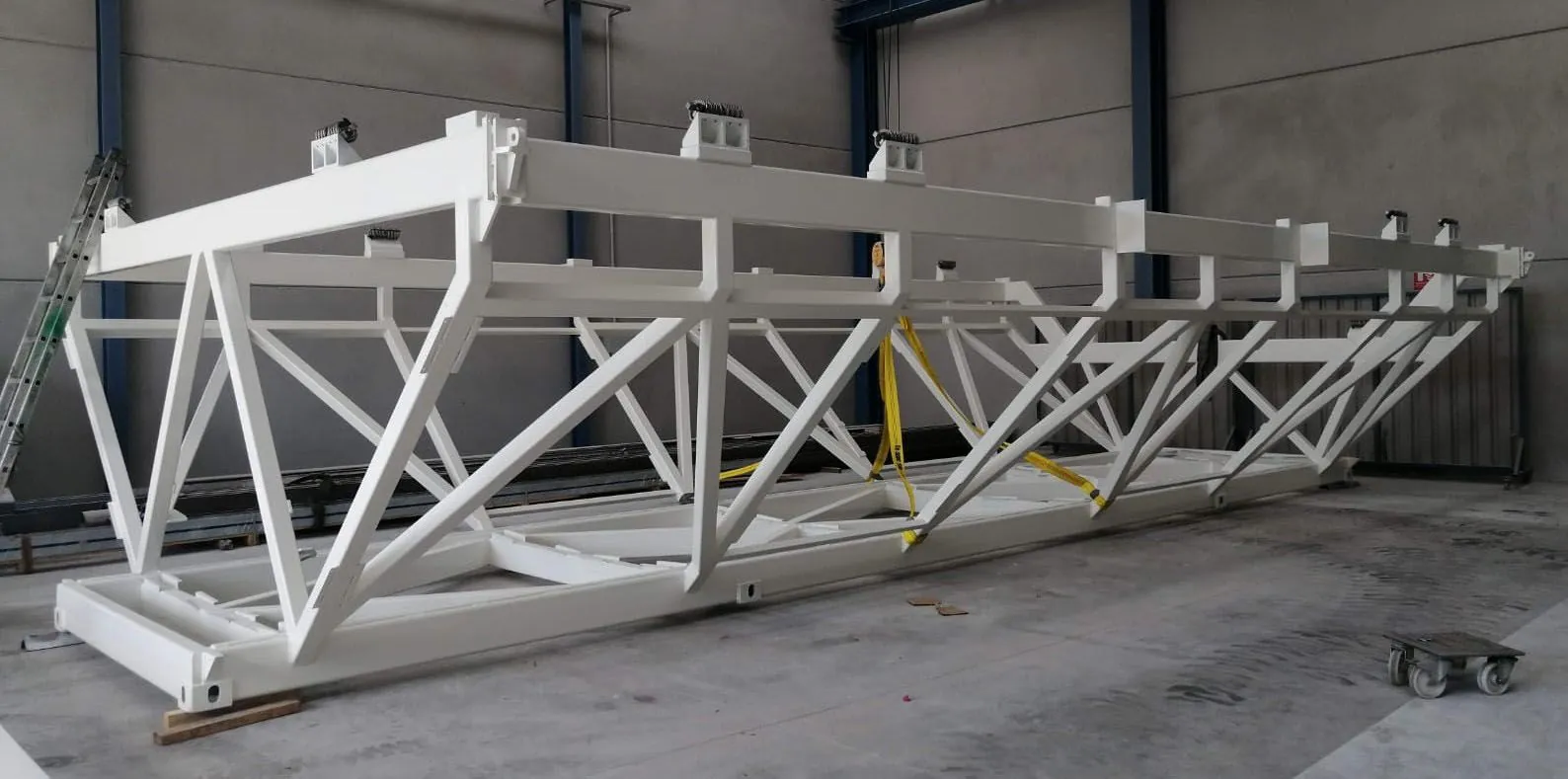
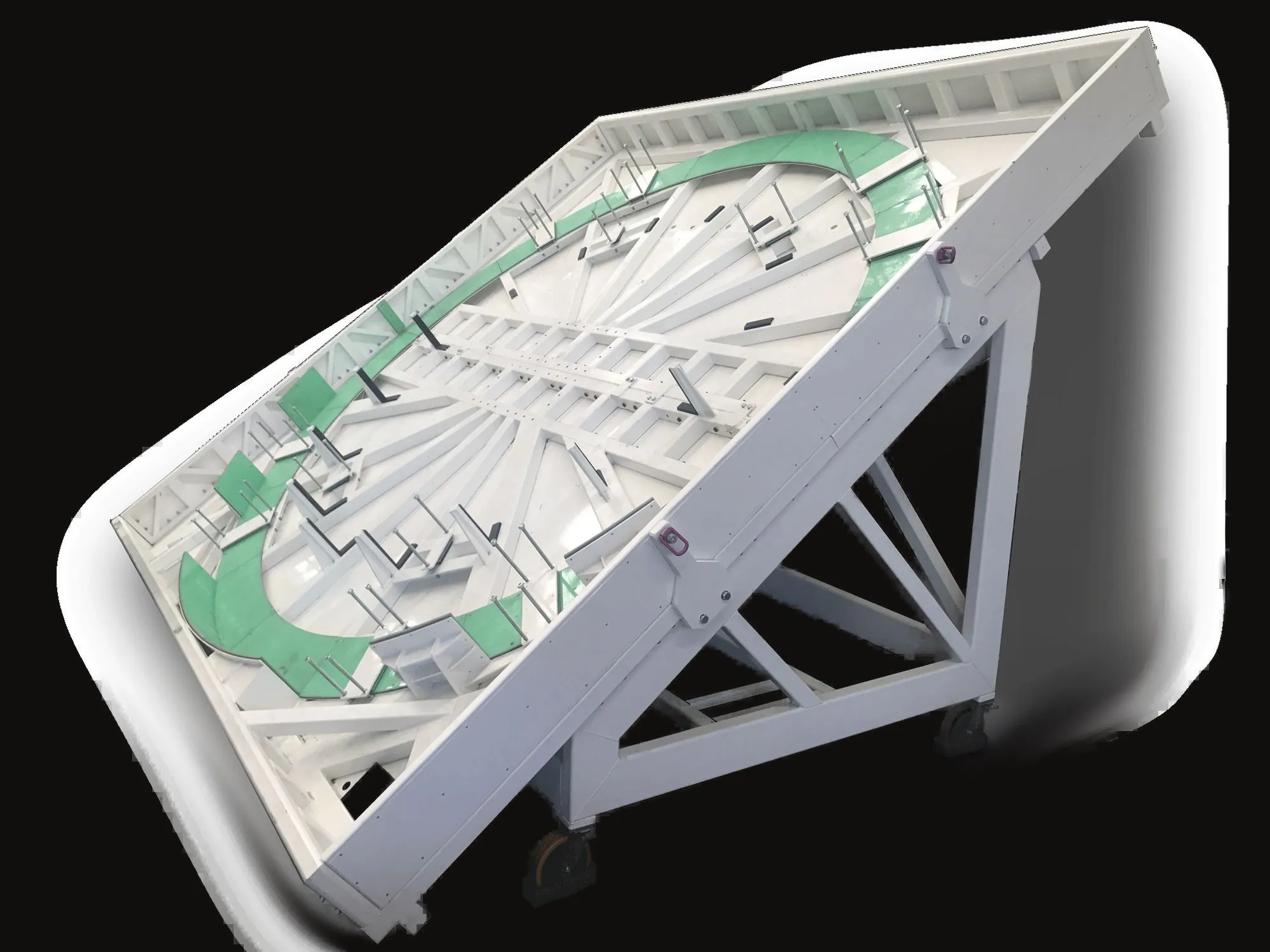
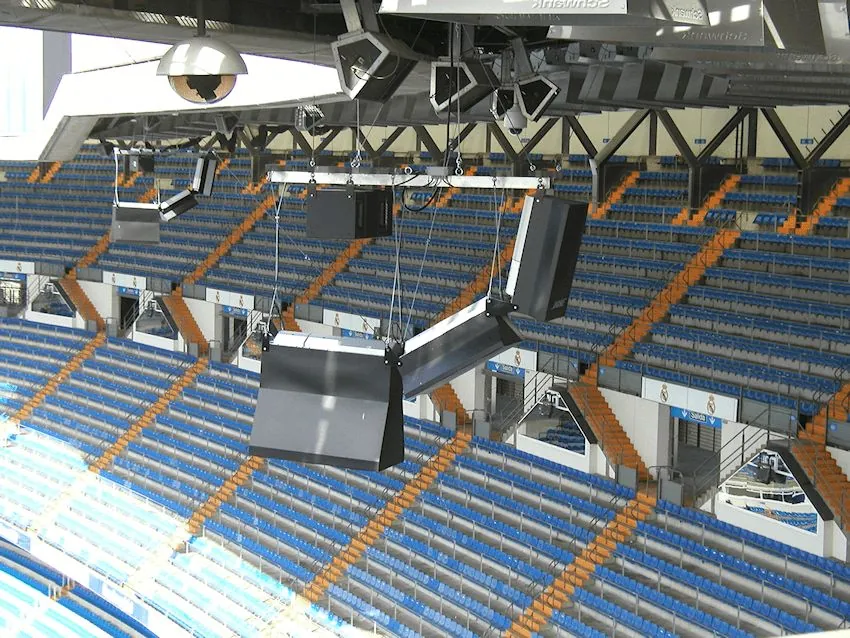
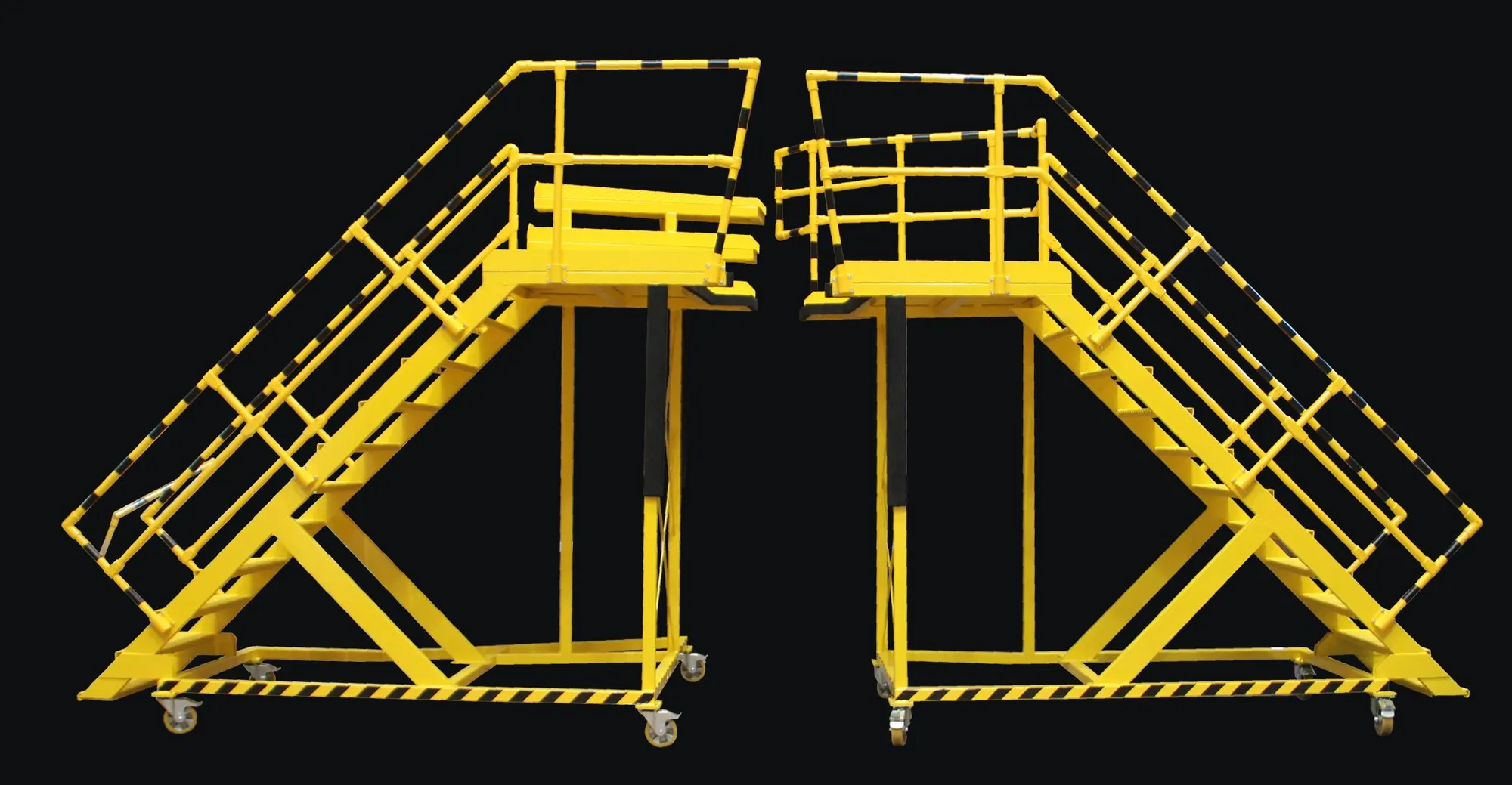
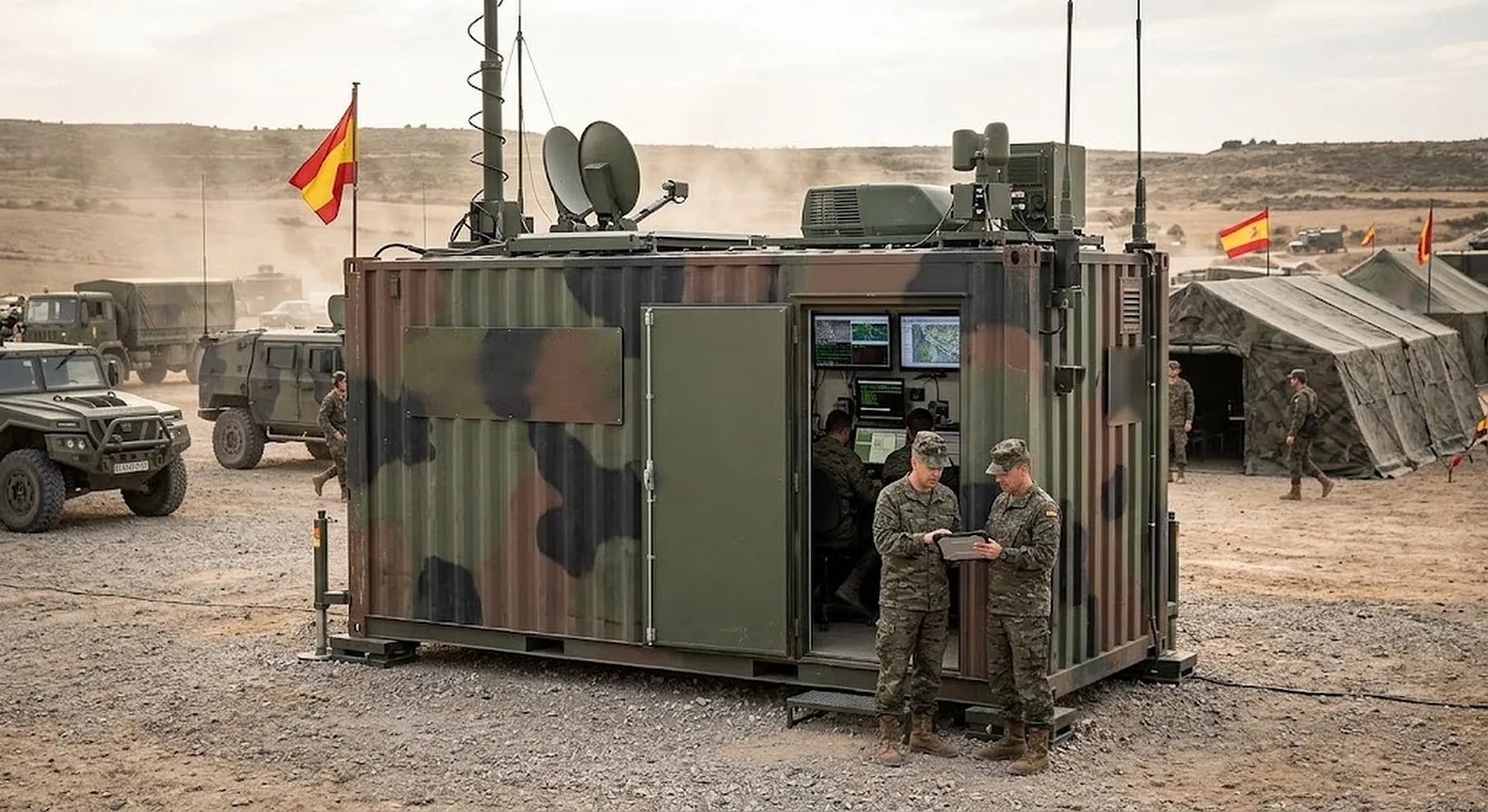
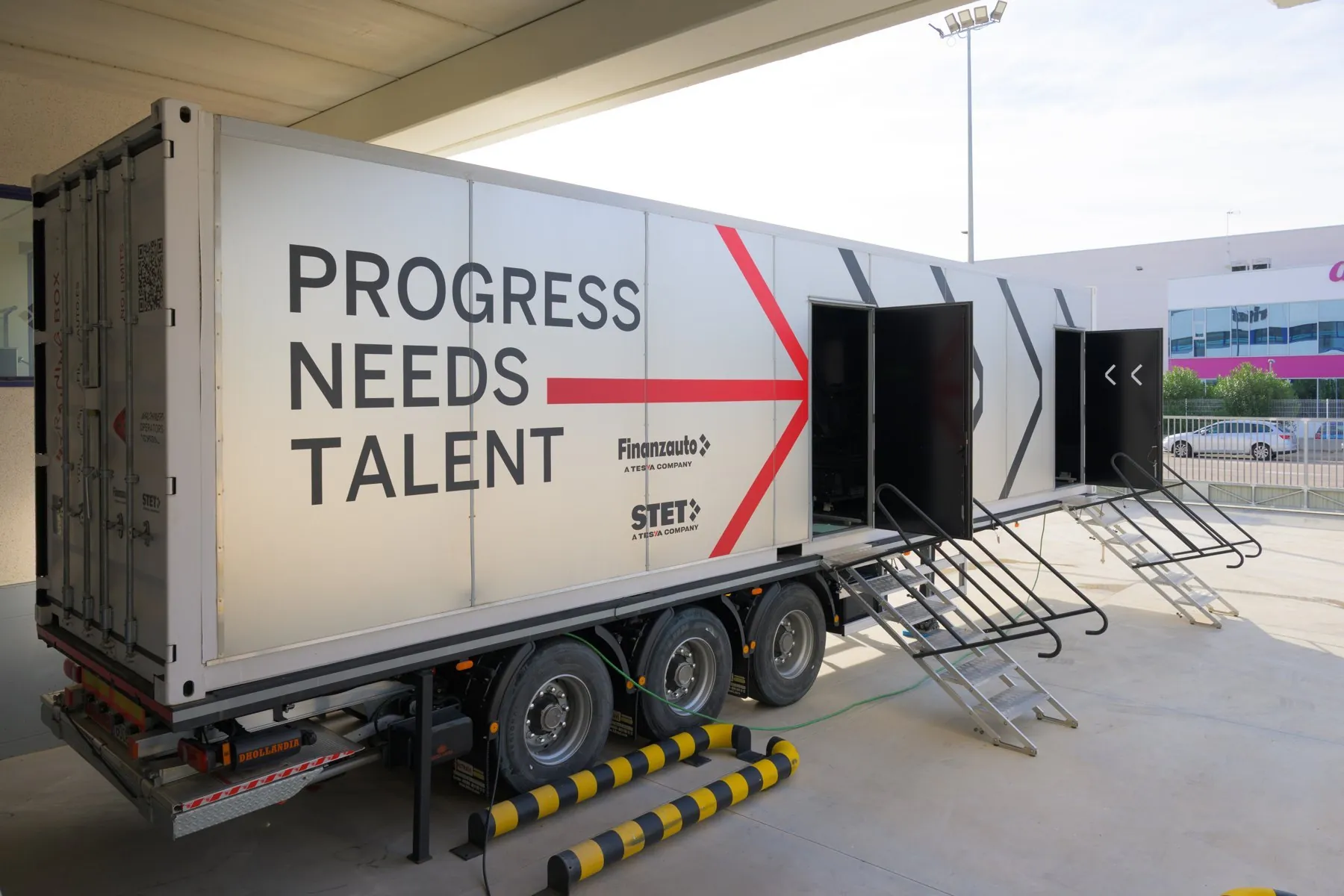
Our design office and our workshop share a corridor. We conceive, calculate, integrate the mechatronics, prototype, build and test under one roof, with a single point of responsibility.
Six ways to work with us.
Technology consulting
Feasibility studies, requirements definition, solution options and early estimates of cost, lead time and risk, before the investment is committed.
Custom industrial solutions
You give us the problem and we deliver the working system: structure, mechanics, mechatronics and integration of third-party equipment, with a single point of responsibility.
Mechatronics
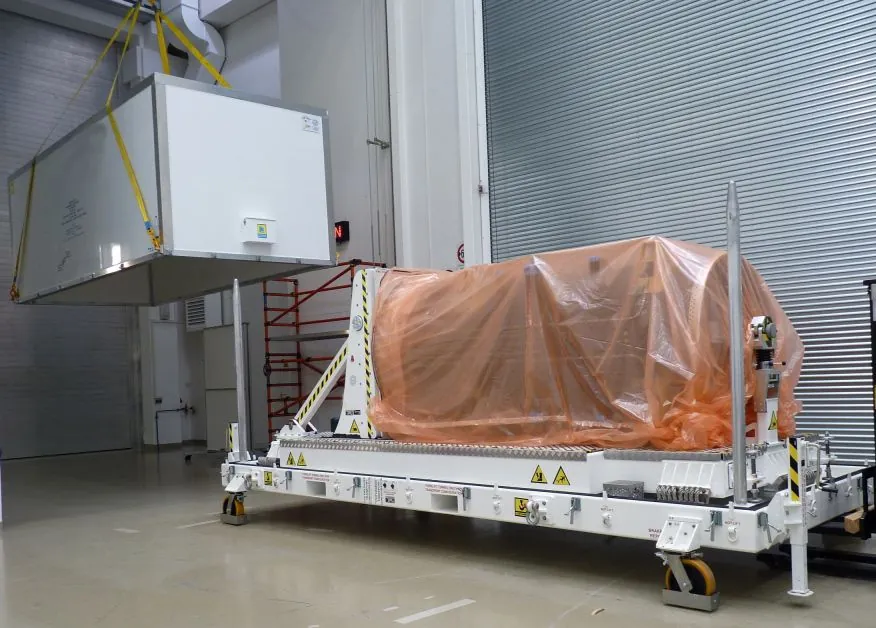
Drives, actuators, sensors and control integrated into fixtures, platforms, structures and containers, from sizing the drive to commissioning.
Electromechanical integration
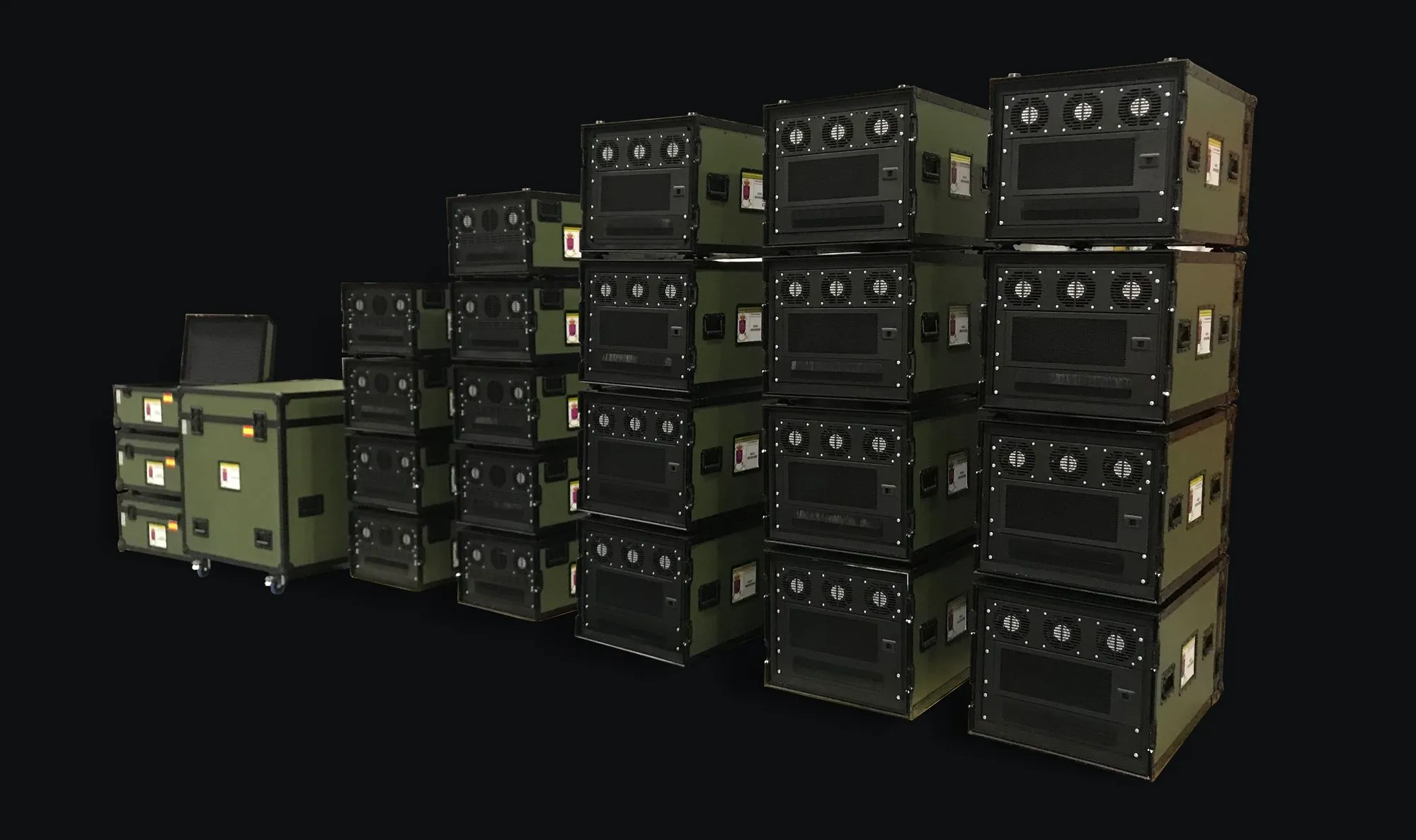
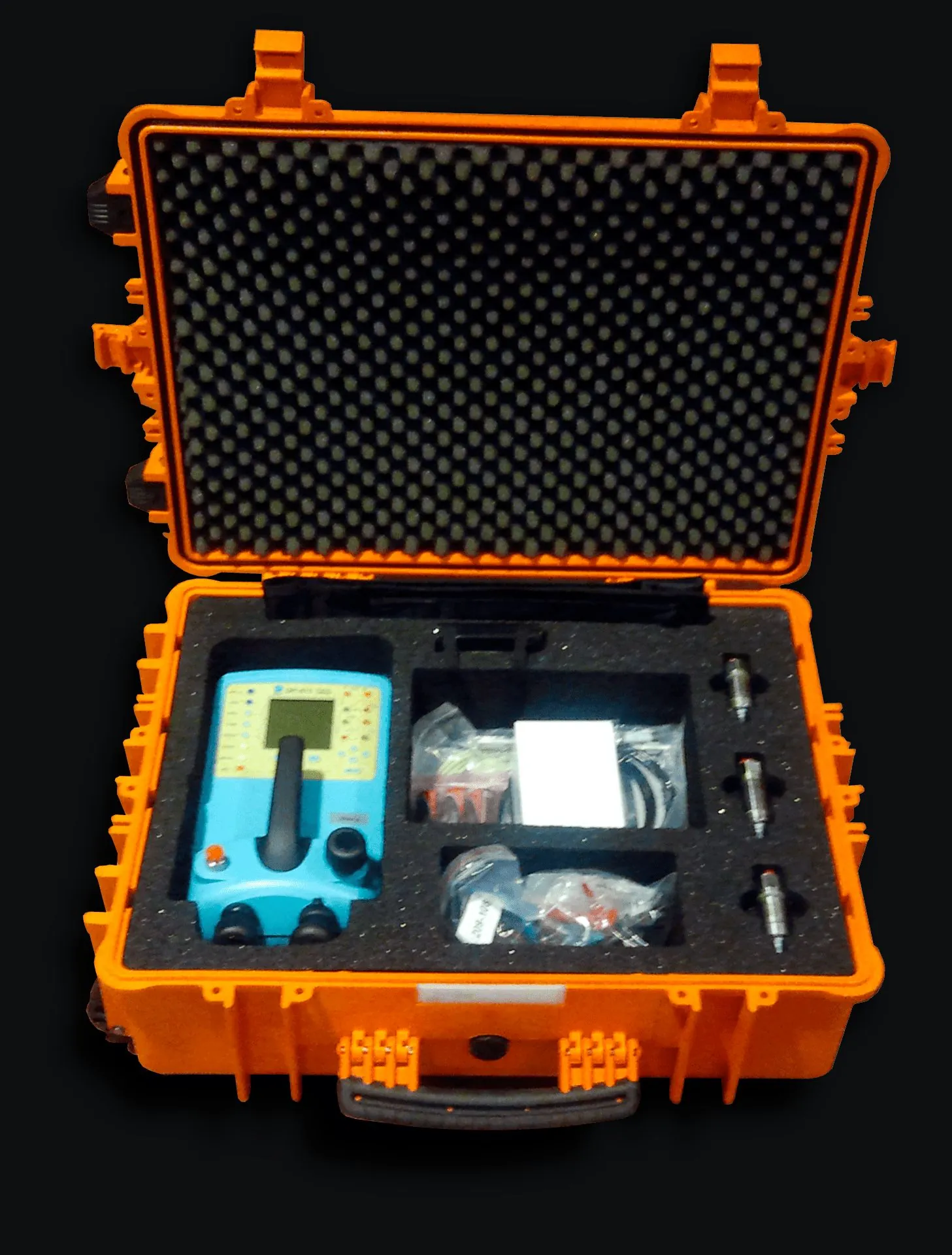
Assembly of complete assemblies and sub-assemblies: structure, cabinets, wiring, harnesses and client equipment, with a test protocol and custom test benches.
Analysis and testing
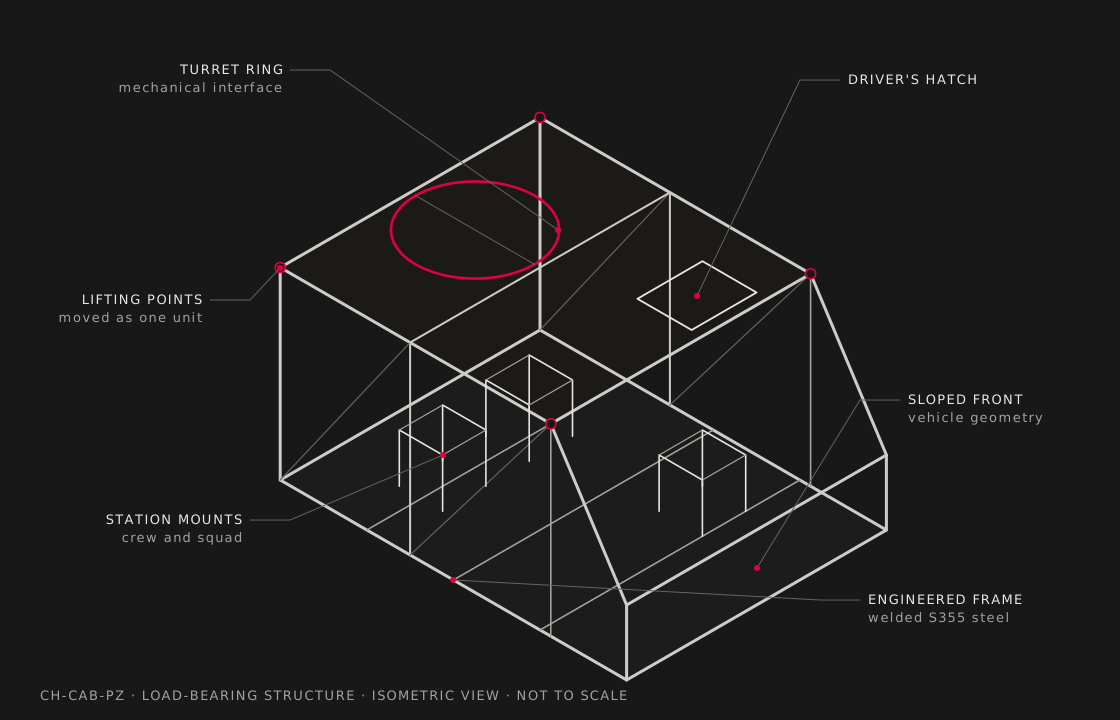
Finite element structural analysis, design justification report, in-house load and sealing tests, and coordination with accredited laboratories.
Installation and support
On-site installation, including at height; commissioning, training, maintenance and repair in our workshop.
Disciplines
Every discipline, in a single solution.
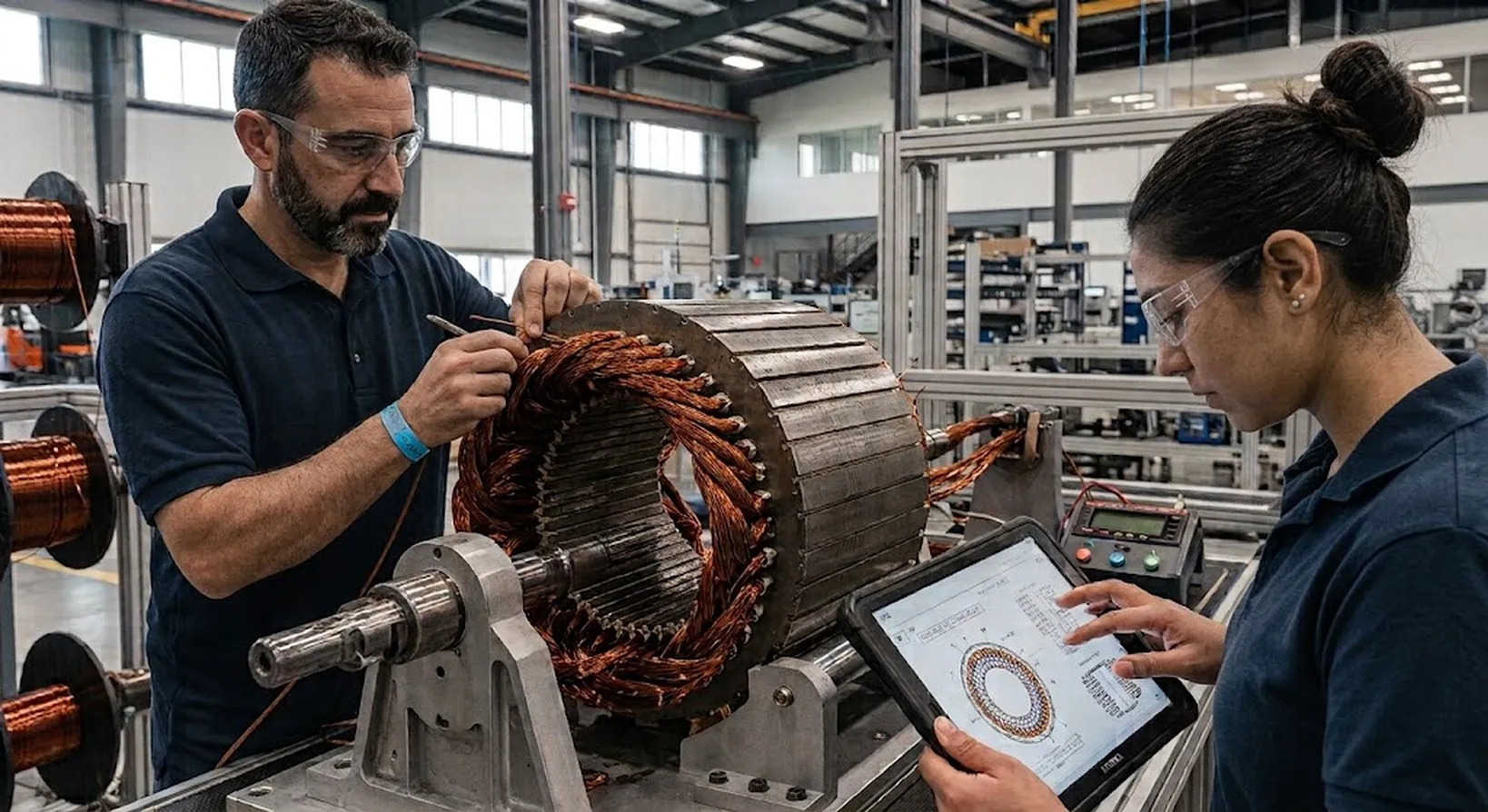
Our projects combine electronics, mechanics, drives and software. We design, manage and integrate it all in the same team, so the client receives a system that works rather than loose parts from different suppliers.
- 01MechanicsMechanical engineeringStructural analysisMechatronics
- 02DrivesMotorisationDC motorsAC motors
- 03ElectronicsAnalogueDigitalPower
- 04SoftwareComputingController programmingArtificial intelligence
One integrated solutionDesign · management · integration
If it can be imagined,
we can build it.
Electromechanical integration
Complete assemblies, built and tested.
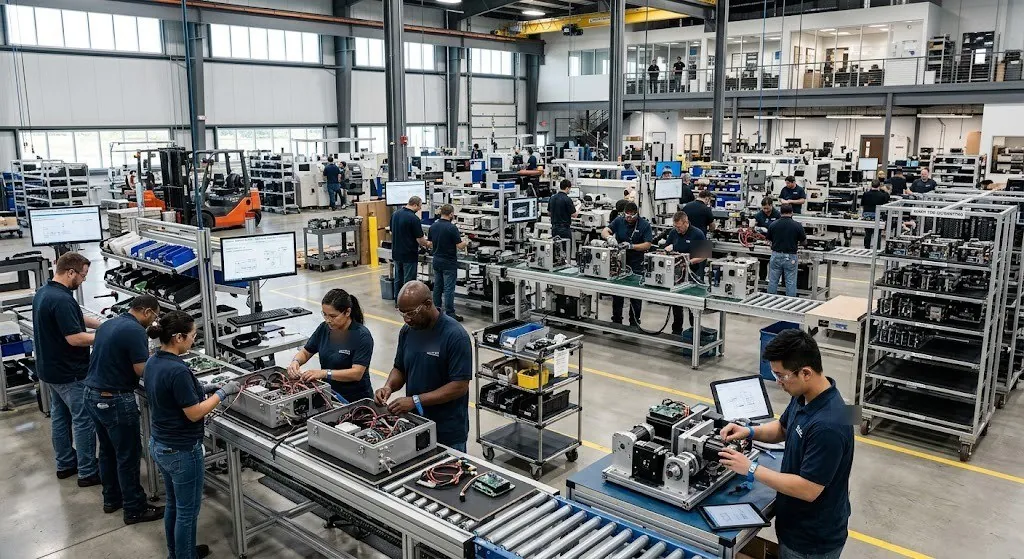
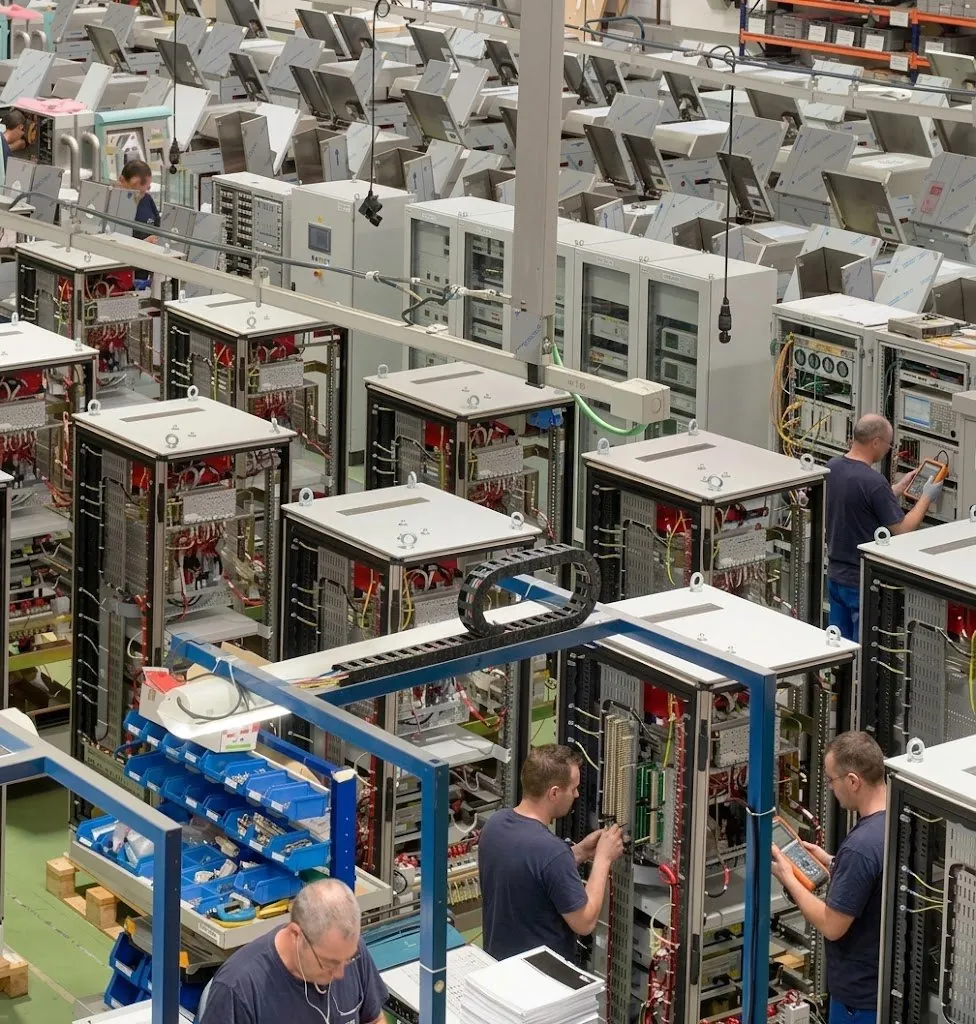
We assemble electromechanical and mechatronic systems to each client's requirements: the structure, the cabinets and frames, the wiring and harnesses, and the equipment inside, whether it is yours or from third parties.
Every assembly leaves the workshop with its test protocol. When the series justifies it, we also design the test bench that verifies it, so that every unit is checked the same way.
Prototypes
From the idea to the first series.
A prototype is there to get things wrong early and cheaply. We design it in the design office, build it in the workshop next door and test it with you in short cycles until it works the way it should. And we design it with the series already in mind: the people who design it are the people who build it.
- LEVEL 01
Proof of concept
A working mock-up or a test rig to prove the idea works before investing.
You receiveFeasibility report - LEVEL 02
Functional prototype
Real parts, working mechatronics and interfaces tested in operating conditions.
You receivePrototype and test report - LEVEL 03
First article
The first unit built with the series process, measured and validated before the rest is released.
You receiveFirst article inspection report - LEVEL 04
Short series
Frozen configuration, traceability and change control so that every unit matches the approved one.
You receiveDossier and certificate of conformity
- Cycles of weeks, not months
- Designed for manufacture and assembly from the first sketch
- The design intellectual property is yours
- The same team from prototype to short series
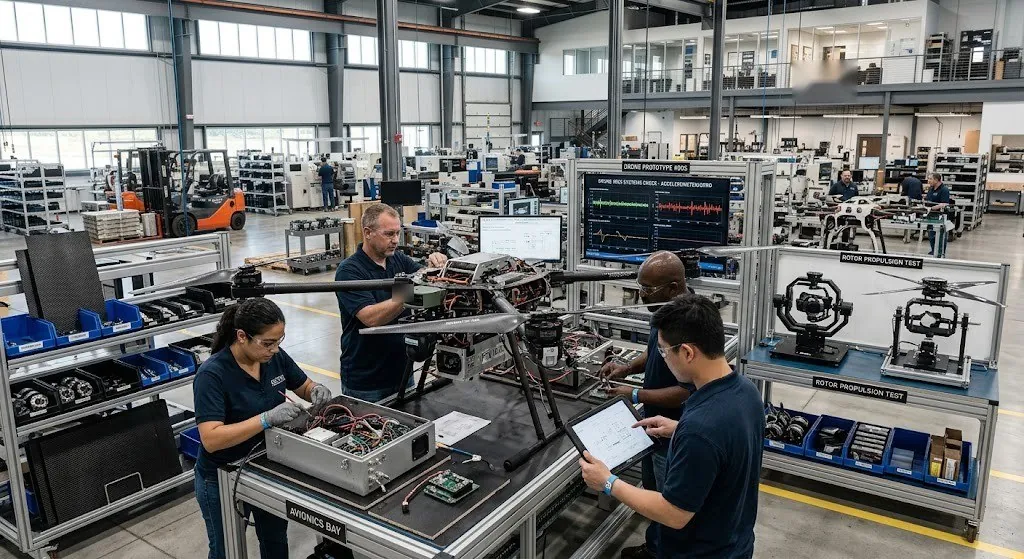
Prototype manufacturing
Drawn on Monday. In your hands on Friday.
We build the prototype in our own workshop: steel and aluminium fabrication and welding, machined parts, mechanical assembly, wiring and electronics integration. Then we instrument it and test it on the bench to measure what needs measuring.
If something does not work, the change goes from the workshop to the design office and back in days, not weeks. Drones, fixtures, structures, cabins or on-board equipment: the method is the same.
Method
Seven steps. One point of responsibility.
Every project follows the same path and leaves a documentary trail. The client always knows where it stands and what they will receive at the end of each phase.
Requirements
Load, environment, applicable standards, transport, interfaces and arrival conditions.
DeliverableAgreed specificationConcept
Solution options with an early estimate of cost and lead time.
DeliverableTechnical and commercial proposalDesign and analysis
Complete 3D model, structural analysis and, if applicable, control design.
DeliverableDrawings and justification reportPrototype
Functional and interface validation before building the series.
DeliverablePrototype and test reportTesting
Load, sealing, drop or vibration, in-house or at an external laboratory.
DeliverableTest reportsManufacturing
Our own workshop in Illescas, from one-offs to short series.
DeliverableCertificate of conformityInstallation and support
Assembly, commissioning, training and maintenance.
DeliverableManual and handover report
Typical lead times
From specification to series, in months.
A typical programme reaches a factory-accepted prototype in seven to nine months. Every phase closes with a review with the client, and nothing moves on without their approval.
- Requirements1 month
- PDRPreliminary design review
- Design2–4 months
- CDRCritical design review
- BOM and procurement2 months
- Prototype production1 month
- Testing≈ 1 month · per programme
- FATFactory acceptance test
- Series productionDepends on quantity
- OSATOn-site acceptance test
Indicative lead times for a system of medium complexity. We confirm them in the technical proposal for each project.
Series production
From accepted prototype to series production.
Once the prototype passes the FAT, we industrialise it: we freeze the configuration, prepare the assembly fixtures and test benches, and build the series with the same team that designed it.
Every unit leaves the workshop with its serial number, test protocol and documentation, and is delivered on site with the OSAT acceptance test.
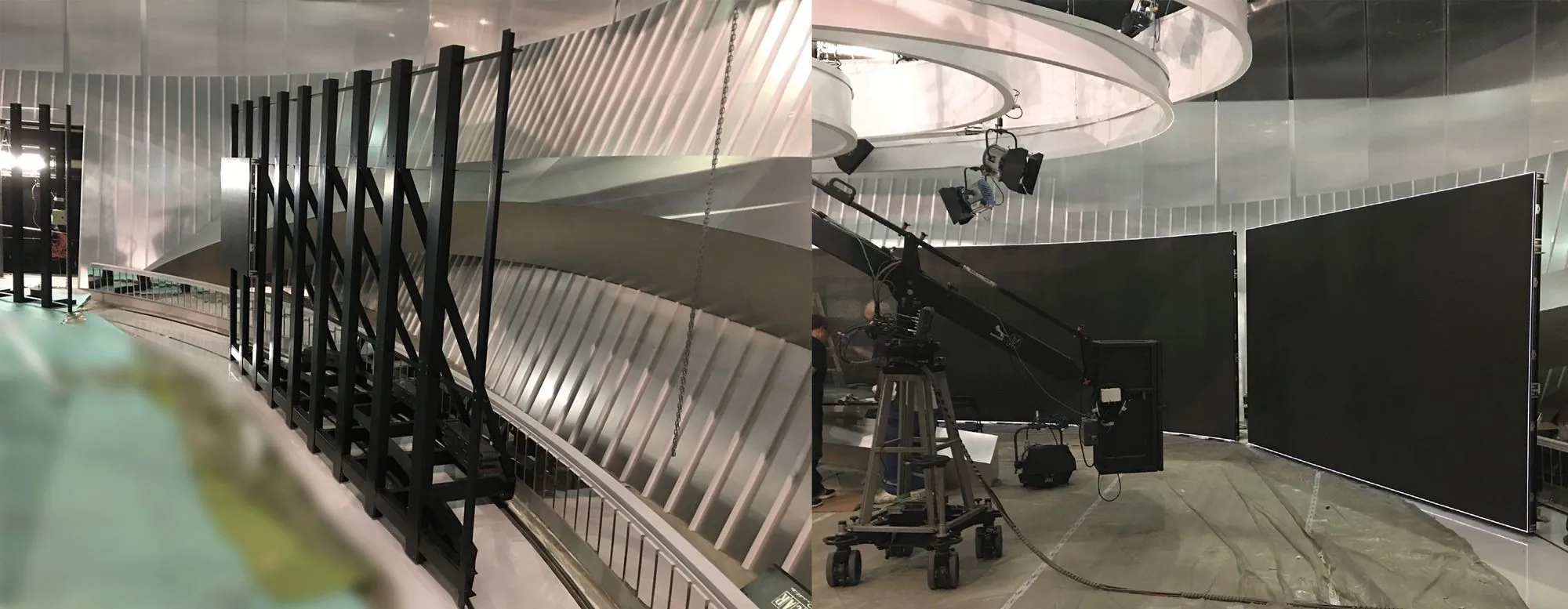
Mechatronics · Case study
A screen that moves on its own.
For Telemadrid's Studio 2 we designed, built and installed the structure for the set's fixed and motorised screens: analysis, drive and installation at height.
4.5 m travel, adjustable speed and stops programmed by the director from the control room.
What lies behind every drawing.
Workshop in Illescas with a large-format assembly area.
Two 10 t overhead cranes with 7 m hook height.
Longest unit built in a single piece.
Mechanical, electrical and mechatronic engineers, on staff.
Designing and building in Illescas since 1998.
Steel and aluminium welding by welders qualified to ISO 9606.
Quality
Certified today. Ready for tomorrow.
Our management system is certified to ISO 9001 and we are working towards the next step in aerospace and defence.
ISO 9001
Quality management system.
EN 9100
Quality for the aviation and space industry.
PECAL 2110
Quality for supplies to the Spanish Ministry of Defence.
Frequently asked questions
What clients usually ask.
Can you start from just an idea?
Yes. Many projects start with a feasibility study: we define the requirements with you, propose options and estimate cost and lead time before designing anything in detail.
How long does a prototype take?
It depends on the scope, but we work in cycles of weeks: design, manufacture in our workshop and testing, and another loop if needed.
Who owns the design?
The client does. We work under a non-disclosure agreement and hand over the drawings and documentation for what you have paid for.
Do you integrate equipment from other manufacturers?
Yes. We build complete assemblies with client or third-party equipment, with their wiring, their test protocol and, if needed, a purpose-designed test bench.
Do you also build the series?
Yes, short series in our Illescas workshop, with the same team that built the prototype and the configuration frozen.